Why Safety Harbor Appeals to Tampa Relocators
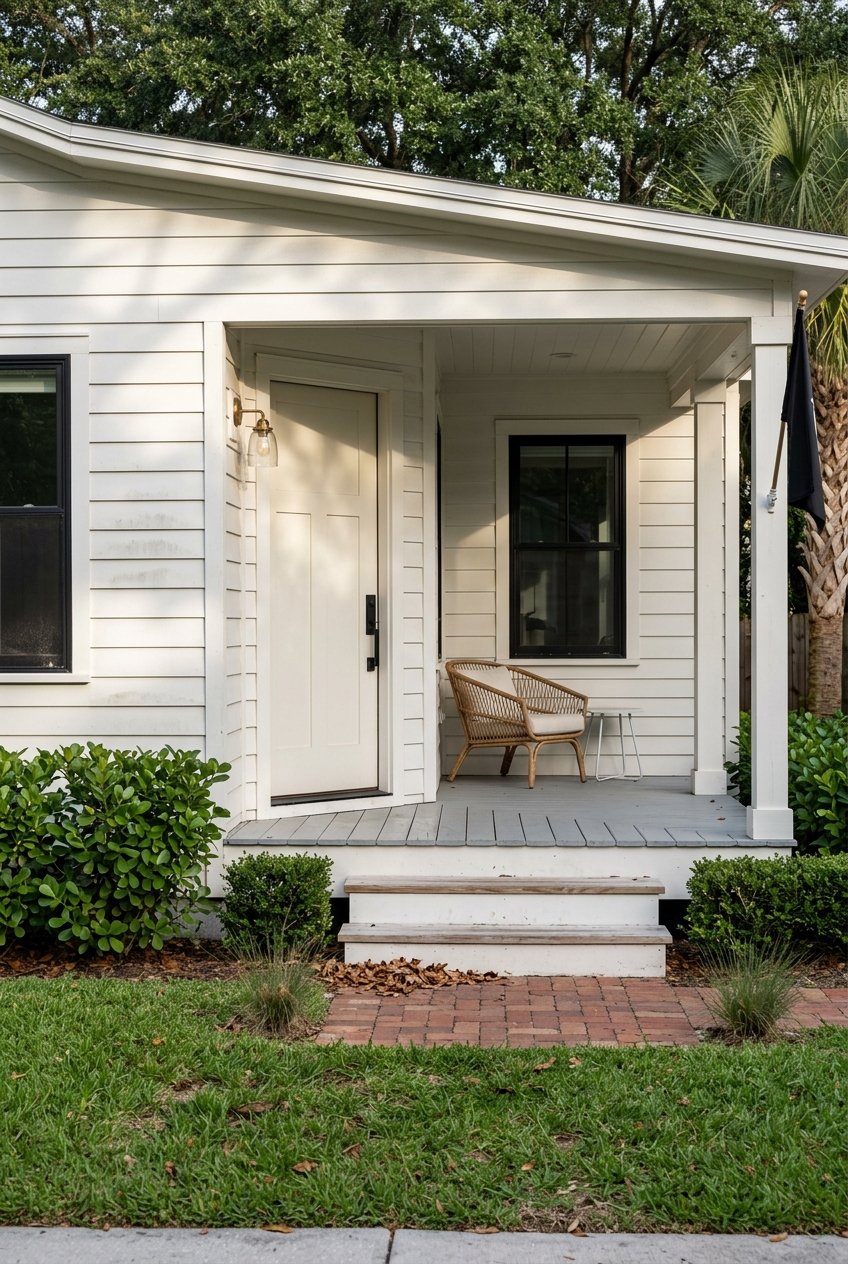
Thinking about leaving Tampa without giving up the best parts of Tampa Bay? Safety Harbor often stands out because it offers a slower, more neighborhood-centered lifestyle while keeping Tampa, St. Petersburg, and Clearwater within reach. If you are comparing places that feel more grounded, established, and connected to daily community life, this guide will help you understand why Safety Harbor keeps landing on relocators’ short lists. Let’s dive in.
Safety Harbor is a compact city of about 17,033 residents spread across 4.9 square miles. The city sits on the west side of Upper Tampa Bay and leans into a small-town identity built around recreation, local events, and an active downtown core.
For many Tampa relocators, that difference is the point. Instead of choosing a place defined by high-rise density or nonstop nightlife, you are looking at a city where the public spaces and local calendar shape everyday life.
One of Safety Harbor’s biggest advantages is balance. The city highlights quick trips to Tampa, St. Petersburg, and Clearwater Beach, while Census data shows a mean travel time to work of 24.9 minutes.
That does not make Safety Harbor urban in the same way as Downtown Tampa or downtown Clearwater. It makes it a quieter residential base inside the larger Tampa Bay metro, which is often exactly what relocators want.
If you are moving from Tampa, Safety Harbor can feel more relaxed and less fast-paced. You still stay plugged into the region, but your day-to-day environment is more local, more routine-driven, and often more centered on parks, downtown strolls, and community events.
That setup can be especially appealing if you work remotely, commute regionally, or simply want your home base to feel calmer after the workday ends.
Safety Harbor’s appeal is not just about location. It is also about how the city uses its downtown and public spaces to create a sense of connection.
The city’s event calendar includes recurring community staples like the 3rd Friday Street Celebration, Pickin' in the Park, Folly Faire, and the Holiday Parade. John Wilson Park Gazebo anchors the heart of downtown, and Baranoff Park opens onto Main Street, reinforcing the city’s small-scale, walkable feel.
For relocators, recurring public events can tell you a lot about how a place actually lives. In Safety Harbor, civic life seems to play an outsized role in the local experience.
That means your weekends are not dependent on a major entertainment district. Instead, much of the energy comes from festivals, downtown gatherings, marina-area events, and a public realm that feels designed for repeat use rather than one-time visits.
Safety Harbor also offers a genuine bayfront element that many buyers find compelling. Waterfront Park is one of the city’s premier outdoor spaces, with a boardwalk, shaded picnic areas, waterfront access, and open recreational space.
Veterans Memorial Park and Marina connect to Waterfront Park and add a fishing pier and marina frontage. Together, these spaces give the city a waterfront lifestyle feel without turning it into a large-scale tourist or entertainment zone.
If you are touring the area soon, it helps to know that the city reported hurricane damage in 2024 affecting Waterfront Park, the pier, the marina, the living shoreline, and part of the boardwalk. The city says construction began on July 7, 2025 and is expected to continue through the end of December 2026.
During that period, some parking on Veterans Memorial Lane and marina-related areas are closed. The park remains accessible from the north entry, and restrooms remain open.
Housing is another major reason Safety Harbor attracts Tampa-area movers. The city has 7,650 housing units, and the housing profile reads as established and owner-oriented rather than highly transient.
QuickFacts shows an owner-occupied housing rate of 83.9 percent, while Census Reporter places the median value of owner-occupied homes at $454,000 and median gross rent at $1,719. Only 6.6 percent of residents moved in the prior year, which points to a relatively stable community.
City planning and budget materials describe residential areas as primarily low-density single-family older homes, with some historic properties and scattered multifamily units. In plain terms, Safety Harbor tends to feel more like an established single-family market than an apartment-heavy district.
That matters if you are relocating from Tampa and trying to picture your options. You are more likely to find neighborhoods that feel settled and residential, with housing that reflects long-term ownership patterns.
Not every relocation is about chasing more activity. Sometimes it is about finding a place that fits the way you want to live now.
Based on the city’s housing mix, event programming, parks, ownership rate, and age profile, Safety Harbor may be a strong fit if you want a stable setting with a recognizable downtown, regular public events, and easier access to outdoor spaces. That can resonate with move-up buyers, downsizers, remote workers, and professionals who want regional access but a slower daily pace.
Many Tampa relocators are not looking to duplicate Downtown Tampa on the Pinellas side. They are looking for a place that feels rooted, manageable, and more residential.
Safety Harbor’s median age is 49.8, median household income is $106,830, and average household size is 2.4 persons. While every buyer’s goals are different, those numbers reinforce the picture of a mature, established community with a strong base of long-term residents.
Context matters when you are narrowing down neighborhoods. Clearwater is much larger in scale, with a population of about 115,975, and the city describes downtown Clearwater as its urban core.
Downtown Tampa is even more urban in feel, with a strong focus on nightlife, waterfront attractions, museums, sports, parks, and entertainment. Compared with those hubs, Safety Harbor stands out because it does not try to compete on density or constant activity.
If you want tower living, a late-night scene, or a more big-city environment, Safety Harbor may not be your first choice. But if you want a quieter base with a local Main Street feel and access to the broader metro, that trade-off can make a lot of sense.
That is often why the city attracts relocators from Tampa. You can stay connected to the region while living somewhere that feels smaller in scale and more consistent in pace.
If Safety Harbor is on your list, focus on the lifestyle fit as much as the map. Here are a few smart questions to ask as you compare it with Tampa neighborhoods or other Pinellas options:
Those questions can help you move past broad impressions and decide whether Safety Harbor aligns with your actual routine.
At a high level, Safety Harbor offers something increasingly hard to find in a major metro area. It feels locally rooted, physically compact, and community-oriented, while still staying connected to the places many buyers need for work, travel, and recreation.
That combination is why it keeps attracting attention from Tampa relocators. You are not choosing it because it is the busiest or flashiest option in the region. You are choosing it because it offers a calmer version of Tampa Bay living with real day-to-day character.
If you are weighing Safety Harbor against Tampa or other nearby neighborhoods, local context makes a big difference. Skyler Warden can help you compare lifestyle fit, housing options, and timing across Tampa Bay so you can move with more clarity and less guesswork.
Stay up to date on the latest real estate trends.
September 17, 2026

September 10, 2026

September 3, 2026

August 27, 2026
August 20, 2026
August 13, 2026
August 6, 2026
August 6, 2026
July 23, 2026
Lorem Ipsum dolor sit amet, consectetur adipiscing elit, sed do eiusmod tempor incididunt ut labore et dolore magna aliqua. Ut enim ad minim veniam, quis nostrud exercitation ullamco laboris nisi ut aliquip ex ea commodo consequat. Duis aute irure dolor in reprehenderit in voluptate velit esse cillum dolore eu fugiat nulla pariatur. Excepteur sint occaecat cupidatat non proident, sunt in culpa qui officia deserunt mollit anim id est laborum.