What to Check Before Buying Odessa FL Lakefront Homes
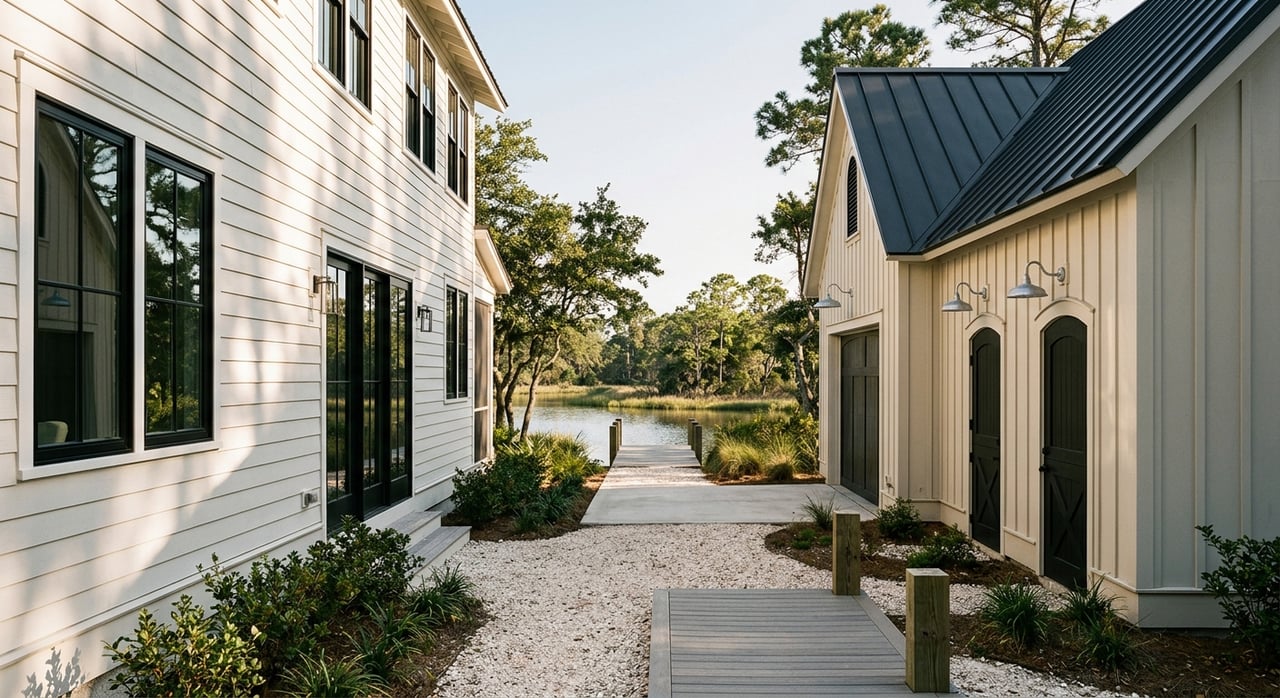
Looking at lakefront or equestrian homes in Odessa? You are not just buying a house. You are also buying land, access, improvements, and a set of county and state rules that can shape how you use the property. If you want fewer surprises and more confidence, this guide will walk you through the key checks that matter most before you make an offer. Let’s dive in.
In Odessa, lakefront and horse properties often come with value that goes beyond square footage. Waterfront access, usable acreage, fencing, barns, docks, seawalls, wells, and septic systems can all affect day-to-day use and long-term resale.
That is why these homes need more diligence than a standard suburban purchase. A beautiful listing can still have zoning limits, missing permits, flood concerns, or restrictions that change what you can actually do with the property.
For equestrian and acreage homes, zoning is one of the first things to confirm. Pasco County includes agricultural zoning districts such as A-C, AC-1, A-R, AR-1, AR-5, and AR5-MH, and the zoning on a specific parcel matters before you assume horses, barns, or other outbuildings are allowed.
Pasco County planning language also recognizes equestrian facilities and trails in rural-residential open-space planning. At the same time, the county code notes that stables are reviewed as businesses rather than treated like basic home occupations, which can affect how a property is used.
If a seller says a property is "horse-ready," you should still verify the parcel zoning and permit history. A horse property is only as strong as its legal use, existing approvals, and actual condition.
Pasco County Property Appraiser records are especially useful when you are comparing specialty properties. The county says its online records show current property details, land detail, building information, extra features, and tax estimates.
That matters in Odessa because two homes with similar house sizes may have very different land utility and improvement value. One may include documented extra features, while another may have additions or structures that do not appear in county records.
The property appraiser also directs buyers to the Clerk for deed restrictions and to the zoning office to confirm whether a lot is buildable. That makes county records a smart first stop, not a final answer.
A lakefront home can offer a great lifestyle, but waterfront features often come with added review. In Pasco County, residential dock, seawall, and boat lift permits may require a site plan, signed and sealed construction plans, an in-water construction affidavit, and in some cases a riparian rights survey.
That last item can matter if the property sits at the end of a canal or where side-use lines converge. If the waterfront boundaries are unclear, you may need extra time and professional review before moving forward.
If a dock or lift has electrical service added later, Pasco County says a separate electrical permit is required. So if a property includes waterfront improvements, do not assume everything was approved just because it is already there.
Ask whether the dock, seawall, or lift was permitted and whether records match what you see on site. Permit history can affect your ability to repair, replace, insure, or upgrade those improvements later.
At the state level, the Florida Department of Environmental Protection Southwest District handles permits for work in wetlands, surface waters, and state lands, including docks, piers, boat ramps, and shoreline stabilization. Permit paths can change based on dock size, slip count, over-water area, and protected resource areas.
Waterfront buyers should also review flood exposure before they finalize a purchase. Pasco County notes that construction in a special flood hazard area must comply with floodplain construction requirements, and it also states that new seawalls in Category I wetlands are prohibited.
That is why it is important to check FEMA flood maps and Pasco County's evacuation zone finder during due diligence. A home's location can affect renovation plans, carrying costs, and your comfort level during storm season.
Flood insurance is separate from homeowners insurance. FEMA states that flood insurance is its own policy, and properties in high-risk flood areas with mortgages from government-backed lenders are required to carry it.
FloodSmart also notes that an elevation certificate is not required to buy flood insurance, but it can help lower premiums. For lakefront buyers, that means insurance quotes should be part of your early math, not an afterthought.
A barn can look like a major asset, but it only adds value when it is permitted, functional, and in solid condition. On acreage properties, fences, corrals, ponds, roads, and utility setups can matter just as much as the house itself.
USDA appraisal guidance notes that farm real estate improvements should be described and analyzed, including fences, corrals, irrigation, drainage, ponds, roads, timber, and buildings. In practical terms, buyers should look at each improvement as part of the total property package, not as a decorative bonus.
A poorly maintained or nonconforming structure can become a cost instead of a benefit. That is especially true if repairs, replacement, or legal use are uncertain.
Many acreage properties rely on private wells and septic systems. These systems need their own review because they affect safety, usability, and future costs.
Florida regulates well contracting, permitting, and construction, and the state requires a Florida-licensed water well contractor. The Florida Department of Health recommends private well testing for bacteria and nitrate at least once a year and lead every three years.
For septic systems, the Florida Department of Health in Pasco County says all new septic installations, repairs, modifications, and approvals of existing systems require a permit through the county health department. If a property has a well or septic system, ask about age, maintenance records, permits, and recent testing.
Even if zoning supports agricultural or rural use, buyers should still verify deed restrictions, HOA rules, and access limits. These can affect horses, trailers, fencing plans, and future additions.
This is one of the biggest mistakes buyers make with acreage homes. They focus on the open space but miss the paperwork that controls how that space can be used.
Some buyers assume acreage automatically comes with a favorable tax setup. In Florida, agricultural classification is a tax assessment rule, not a shortcut to market value or an automatic benefit.
Under Florida Statute 193.461, landowners must file by March 1 and show bona fide agricultural use. The property appraiser may consider factors such as size, continuity of use, condition, income produced, and productivity, and the law also states that a minimum acreage may not be required.
For buyers, the main takeaway is simple: do not assume a current or future agricultural classification without verifying the facts. Tax treatment should be reviewed carefully, especially if your plans for the land will change after closing.
Before you write an offer on an Odessa lakefront or equestrian home, it helps to review the property like a specialty asset. The goal is to confirm how the home works on paper, not just how it looks in photos.
A strong early review should include:
This kind of checklist can save you from expensive surprises later. It can also help you compare one specialty property against another more accurately.
The strongest negotiation leverage often comes from details that affect cost, risk, or future use. Missing permits, unclear riparian boundaries, flood insurance costs, aging well equipment, or septic concerns can all change what a property is worth to you.
Because these homes may trigger added county or state review, buyers often benefit from contingencies that allow time to verify permits, order a survey, and obtain insurance quotes before due diligence expires. That extra time can make the difference between a smart purchase and a rushed one.
In Odessa, this is where local knowledge and a data-driven process matter. Specialty properties are harder to compare, so the best buying strategy is one built around records, timelines, and real carrying costs.
Odessa attracts buyers who want more than a standard neighborhood home. Some want lake access and room to boat. Others want acreage, privacy, and space for horses or outbuildings.
Those lifestyle goals are exciting, but they come with more moving parts. When you work through zoning, permit history, property records, flood exposure, and land use before you commit, you put yourself in a much stronger position to buy with confidence.
If you are exploring lakefront or equestrian homes in Odessa, Skyler Warden can help you sort through the details, compare properties more intelligently, and move forward with a clear plan.
Stay up to date on the latest real estate trends.
September 17, 2026

September 10, 2026

September 3, 2026

August 27, 2026

August 20, 2026
August 13, 2026
August 6, 2026
August 6, 2026
July 23, 2026
Lorem Ipsum dolor sit amet, consectetur adipiscing elit, sed do eiusmod tempor incididunt ut labore et dolore magna aliqua. Ut enim ad minim veniam, quis nostrud exercitation ullamco laboris nisi ut aliquip ex ea commodo consequat. Duis aute irure dolor in reprehenderit in voluptate velit esse cillum dolore eu fugiat nulla pariatur. Excepteur sint occaecat cupidatat non proident, sunt in culpa qui officia deserunt mollit anim id est laborum.