Living in a Downtown Tampa Condo: What to Know
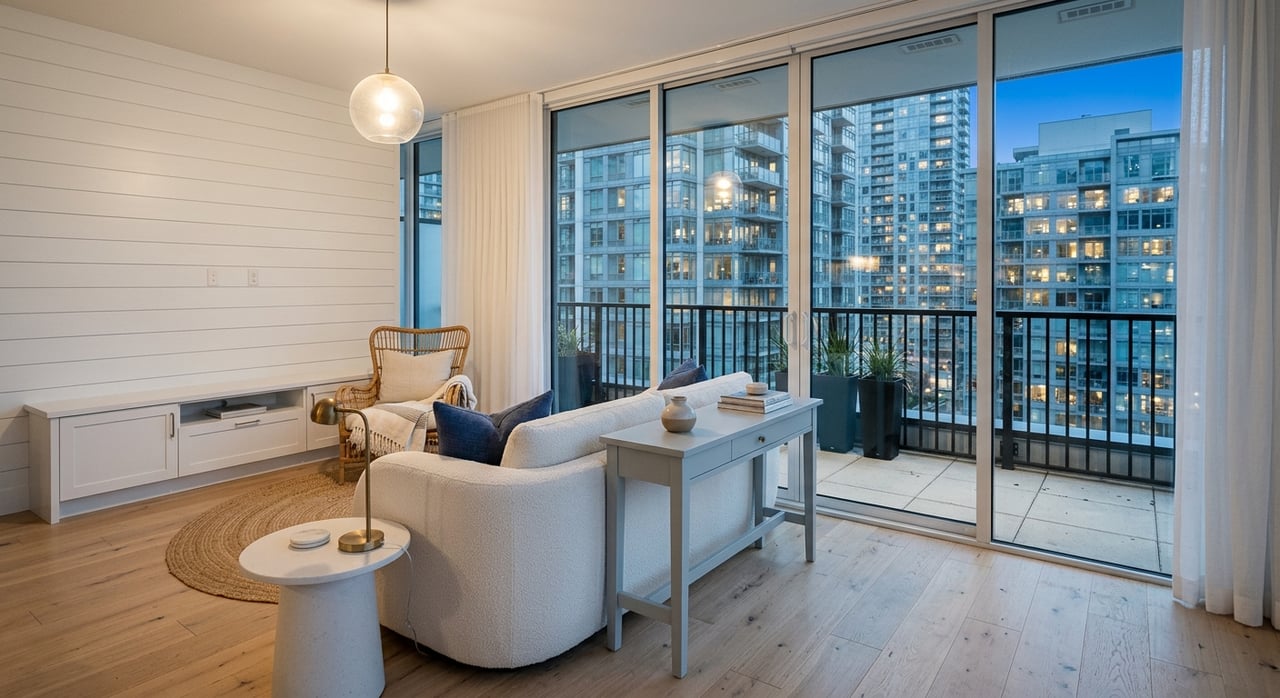
Wondering if a Downtown Tampa condo will match the way you actually want to live? If you like the idea of walkability, waterfront views, event nights, and less exterior upkeep, downtown can be a strong fit. At the same time, condo living comes with trade-offs like association fees, parking logistics, and more building-level due diligence. This guide will help you picture the lifestyle, understand the housing options, and know what to review before you buy. Let’s dive in.
Living in a Downtown Tampa condo usually means your routine feels more urban and connected than suburban. The City of Tampa describes downtown as a waterfront area with nightlife, parks, entertainment, and cultural attractions, so your free time can revolve around what is happening just outside your building.
For many residents, that changes how the week feels. Instead of planning long drives for every outing, you may spend more time walking, making short trips, and meeting friends near the river, arena, or nearby restaurants.
The Tampa Riverwalk is one of the biggest reasons people choose downtown condo living. City materials describe it as about 2.4 miles of uninterrupted sidewalk along the Hillsborough River, connecting six parks along with museums, restaurants, public art, and downtown attractions.
That means your neighborhood can feel bigger without needing to get in the car. A quick walk can turn into a stop at a park, a museum visit, or dinner by the water, which adds a lot to the day-to-day experience.
Downtown Tampa is not just a place you visit for work. It functions as an active urban district where sporting events, cultural venues, nightlife, and waterfront public spaces are part of normal life.
If you enjoy energy and convenience, that can be a major plus. If you prefer a quieter environment every night, it is worth thinking carefully about the exact building and block that fit your pace.
One of the biggest lifestyle benefits of a downtown condo is the ability to live a little lighter on driving. You may still want a car, but you are often less dependent on it for every errand or outing.
The TECO Line Streetcar adds another layer of convenience. The City of Tampa describes it as a 2.7-mile fixed guideway connecting downtown with the Channel District and Ybor City Historic District, running every 15 minutes and currently offering free fares under the city’s service model.
Downtown living is convenient, but parking is more structured than in many other parts of Tampa. The City of Tampa operates downtown garages and on-street parking, and on-street spaces in the Central Business District are metered from 8 a.m. to midnight seven days a week.
For condo owners, that means parking should be part of your home search, not an afterthought. You will want to understand how many spaces come with the unit, what guest parking looks like, and how the building handles additional vehicles.
Downtown Tampa has a mix of older towers and newer mixed-use developments, so the condo experience can vary quite a bit from one pocket to another. Some areas feel more established, while others feel newer, more polished, and more master planned.
The Channel District is a good example of downtown-adjacent change. The City of Tampa describes it as a former warehouse area that has grown into a vibrant urban residential and arts-and-entertainment magnet, which helps explain why it appeals to buyers who want an active setting near the core.
Water Street Tampa shows the range of newer urban housing nearby. The district includes studio, one-, two-, and three-bedroom homes, plus penthouse options in some buildings, showing that downtown-style living is not limited to small units.
That is helpful if you want a condo lifestyle but need more flexibility in layout. Compact floor plans are still common, but larger homes do exist, especially in newer product.
Not every condo building offers the same ownership experience. Older towers may have a different feel, finish level, and maintenance profile than newer mixed-use communities with more shared amenities and services.
That matters because the building itself is a big part of what you are buying. In downtown Tampa, your lifestyle is shaped not just by the unit, but by the lobby, parking setup, shared spaces, policies, and the association’s overall financial health.
A Downtown Tampa condo is usually best evaluated by total monthly carrying cost, not just the mortgage. Your payment picture can include mortgage, property taxes, homeowner’s insurance, mortgage insurance if applicable, flood insurance if applicable, and condo association dues.
Condo dues are especially important to review because they are typically paid directly to the association rather than folded into the mortgage payment. Depending on the building and level of service, those dues can be a meaningful part of your monthly budget.
Florida law helps explain the difference from one building to another. Common condo expenses can include maintenance, repair, replacement, and protection of common elements and association property, and they can also include insurance, security services, and transportation services when treated as common expenses.
Annual budgets must also include reserve accounts for capital expenditures and deferred maintenance. In simple terms, buildings with more shared features and more full-service operations often have higher fees because there is more to maintain and fund over time.
When you buy a condo, you are not only buying a unit. You are also buying into a building and an association, which makes document review especially important.
In Florida, this is even more important for older high-rise buildings. Under current state law, buildings that are three stories or more generally require milestone inspections at age 30 and every 10 years after that, or at age 25 in some local cases.
Florida also requires many unit-owner-controlled associations that existed on or before July 1, 2022 to complete a structural integrity reserve study by December 31, 2025 for each building that is three stories or higher, with limited overlap timing if a milestone inspection is due on or before December 31, 2026.
The Florida DBPR describes a structural integrity reserve study as a budget-planning tool that examines reserve funding and key building components the association must maintain. Those components include the roof, structural systems, fireproofing and fire protection systems, plumbing, electrical systems, waterproofing and exterior painting, and windows and exterior doors.
The DBPR also states that structural inspection reports and reserve studies are part of the association’s official records and must be provided to potential purchasers. That gives you the chance to review more than just the unit itself before making a decision.
As you compare buildings, ask for and review items such as:
These are not side details. In condo purchases, they directly affect your costs, flexibility, and peace of mind.
If you are considering a Downtown Tampa condo, it helps to compare it with a few nearby urban options. Each area offers a slightly different balance of walkability, building style, and daily pace.
Downtown tends to fit buyers who want direct access to the Riverwalk, public spaces, and an active urban core. It is often the best match for people who value a car-light routine and low-maintenance ownership over having a large private yard or a quieter suburban setting.
Water Street Tampa is the newest and most master-planned nearby option. It emphasizes walkability, public space, and a pedestrian-focused environment with residences, hotels, shops, restaurants, offices, and shared outdoor spaces.
If you are drawn to newer buildings and a more curated mixed-use setting, this is often the first comparison to make. It can offer a polished urban feel with strong lifestyle convenience.
The Channel District is another natural alternative. Visit Tampa Bay describes it as a pedestrian-friendly area with high-rises, waterfront eateries, public boat docks, attractions, and recreation, while the City of Tampa frames it as a transforming residential and arts-and-entertainment district.
For many buyers, it feels downtown-adjacent with a stronger entertainment and arena-centered vibe. If that energy appeals to you, it can be a strong option.
Harbour Island offers a mix of commercial and residential uses and can feel more residential than the downtown core. It is often worth a look if you want to stay close to downtown while stepping slightly outside the busiest blocks.
Historic Hyde Park and Tampa Heights offer different trade-offs. Hyde Park is known for older homes, shaded streets, and village-style retail, while Tampa Heights Riverfront is being positioned as a waterfront community tied to destinations like Armature Works, Heights Union, and a Sprouts grocery store.
Downtown Tampa condo living usually works best if you value convenience, walkability, and access to the city’s waterfront amenities. It can be especially appealing if you want less exterior maintenance and more time enjoying the neighborhood around you.
The main trade-off is that convenience comes with structure. You will likely need to think more carefully about parking, building policies, monthly fees, and the association’s financial and structural condition than you would with many single-family homes.
If you are weighing Downtown Tampa against Water Street, the Channel District, Harbour Island, or nearby neighborhoods, the right choice often comes down to how you want your week to feel, not just how the unit looks online. If you want help comparing buildings, reviewing condo red flags, or narrowing down the best fit for your lifestyle, connect with Skyler Warden.
Stay up to date on the latest real estate trends.

October 22, 2026
October 15, 2026

October 8, 2026
October 1, 2026
September 24, 2026

September 17, 2026

September 10, 2026

September 3, 2026

August 27, 2026
Lorem Ipsum dolor sit amet, consectetur adipiscing elit, sed do eiusmod tempor incididunt ut labore et dolore magna aliqua. Ut enim ad minim veniam, quis nostrud exercitation ullamco laboris nisi ut aliquip ex ea commodo consequat. Duis aute irure dolor in reprehenderit in voluptate velit esse cillum dolore eu fugiat nulla pariatur. Excepteur sint occaecat cupidatat non proident, sunt in culpa qui officia deserunt mollit anim id est laborum.