St Petersburg vs Tampa Living: Compare Urban Lifestyles
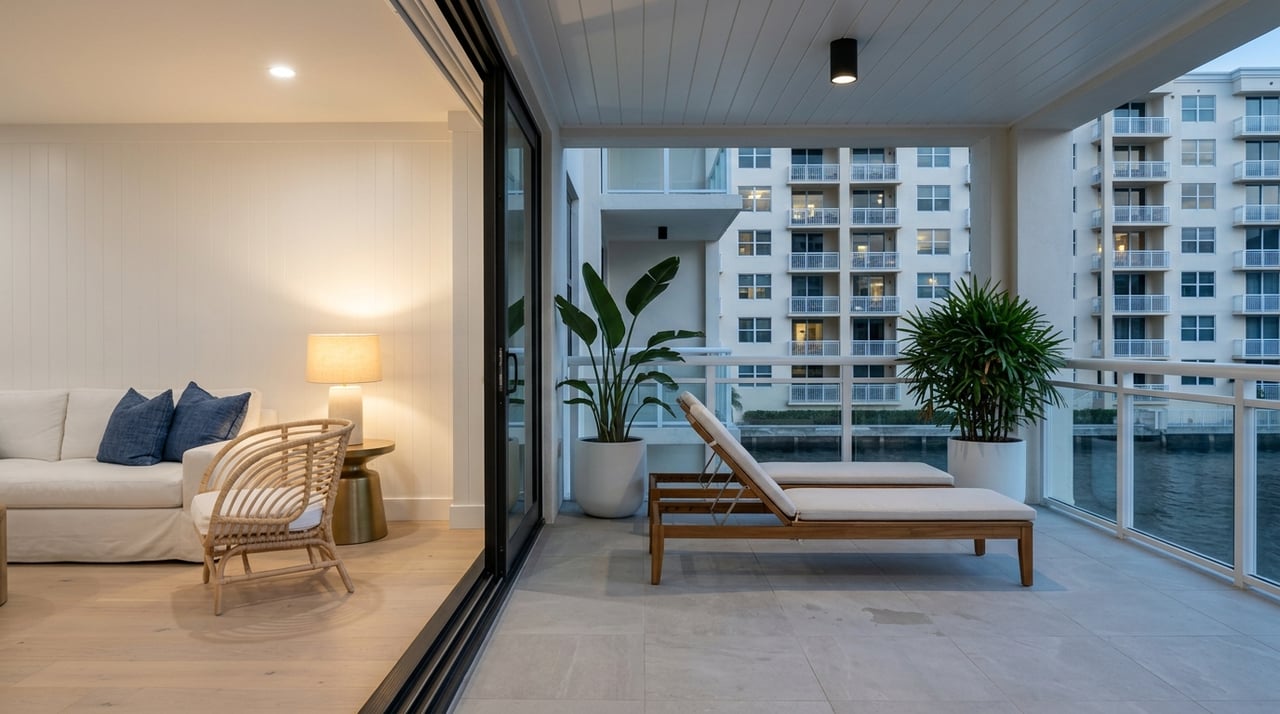
Trying to choose between St. Petersburg and Downtown Tampa for urban living? You are not alone. Both offer a very different version of city life in Tampa Bay, and the right fit depends on how you want your days to look, not just where you sleep at night. This guide breaks down the lifestyle, transportation, waterfront access, and housing differences so you can compare them with more confidence. Let’s dive in.
If you want a quick takeaway, think of St. Petersburg as the more compact, waterfront-centered urban core and Downtown Tampa as the broader center city with multiple distinct districts.
St. Petersburg has 267,102 residents and a density of 4,178.7 people per square mile. Tampa is larger, with 414,547 residents and 3,376.4 people per square mile. In everyday terms, that helps explain why downtown St. Pete can feel tighter and more walkable, while Downtown Tampa feels bigger and more spread across several connected neighborhoods.
Downtown St. Petersburg is built around Central Avenue, Beach Drive, the waterfront museum district, and the St. Pete Pier. Official local materials describe Central Avenue as starting at the waterfront and stretching west through boutiques, galleries, restaurants, bars, murals, and small independent businesses.
That layout gives St. Pete a clear central spine. A lot of daily activity runs through Central Avenue and Beach Drive, so it is easier to picture a routine where you walk to coffee, dinner, the waterfront, or an event without feeling like you are crossing a huge downtown.
Downtown Tampa works differently. The Tampa Downtown Partnership identifies seven downtown neighborhoods: Downtown Core, Channel District, Tampa Heights, Central Park, Water Street Tampa, Downtown River Arts, and West Riverfront.
That means you are often choosing not just Downtown Tampa, but a specific pocket within it. The experience can change a lot depending on whether you are near Water Street, the Channel District, or the Riverwalk area.
At the city level, average commute times are similar. St. Petersburg posts a mean travel time to work of 25.6 minutes, while Tampa comes in at 24.8 minutes.
So if you are deciding based on commute averages alone, the numbers do not separate the two very much. The bigger difference is how each downtown connects to the rest of the region and how easy it feels to get around once you are there.
For many buyers and renters, the I-275 and Howard Frankland Bridge corridor is the real lifestyle divider. It is the main cross-bay connection between the two urban cores.
According to FDOT, the new Howard Frankland Bridge project has four general-use lanes open, with a shared-use path for pedestrians and cyclists still under construction and estimated for completion in summer 2026. If your work, family, or routine regularly pulls you across the bay, that corridor should be part of your decision.
St. Petersburg offers a free Downtown Looper and a free Central Avenue Trolley. The Central Avenue Trolley runs between Grand Central Station and St. Pete Pier every 20 minutes, which supports a more connected downtown routine without always relying on your car.
Downtown Tampa offers the TECO Line Streetcar, a 2.7-mile fixed-guideway system connecting downtown Tampa, the Channel District, and Ybor City. That can be a major plus if you want easy access to downtown-adjacent entertainment and dining without moving your car.
PSTA Route 100 runs on weekdays between St. Pete Pier and the Marion Transit Center in Downtown Tampa. If you want flexibility between the two urban cores, that route is worth knowing about.
It does not remove the reality of cross-bay travel, but it does give you another option for weekday movement between the two downtowns.
If you want an arts-forward downtown, St. Petersburg stands out. The waterfront museum district includes the Dalí, the Mahaffey, the Museum of Fine Arts, the American Museum of Arts and Crafts, and the James Museum.
Beyond the waterfront, Central Avenue adds murals, galleries, Florida CraftArt, the Morean Arts Center, the Chihuly Collection, and a long stretch of independent retail and dining. The result is a downtown identity that feels creative, local, and visually active.
Downtown Tampa’s arts and dining scene is spread through larger mixed-use districts. The Riverwalk links major destinations such as the Tampa Museum of Art, Tampa Theatre, the Straz Center, the Florida Aquarium, Armature Works, and Sparkman Wharf.
Water Street Tampa adds a more hospitality-driven feel, with upscale restaurants, bars, and lounges. If you like having several different downtown environments to choose from, Tampa gives you more range within one larger core.
In St. Pete, the street life tends to gather along a few strong corridors, especially Central Avenue and Beach Drive. That makes the downtown energy feel concentrated and easy to access.
In Downtown Tampa, activity is more distributed. You may love that if you want variety and distinct district identities, but it can feel less compact if you prefer one clearly defined urban center.
If direct access to water and beaches matters to you, St. Petersburg has the clearer edge. Official tourism materials describe the city as sitting on a narrow peninsula between the Gulf and Tampa Bay, with miles of sandy beaches, downtown’s North Shore Beach, and Fort De Soto as a signature destination.
The St. Pete Pier also adds Spa Beach, waterfront dining, and easy access via the Downtown Looper and Central Avenue Trolley. For many people, that closeness to both an active downtown and beach-oriented recreation is a major reason St. Pete feels unique.
Downtown Tampa’s waterfront identity is centered on the Hillsborough River and downtown channel system. The Tampa Riverwalk connects parks, museums, public art, the arena, the convention center, and boat access.
That creates a very different kind of water-based lifestyle. Instead of beach access, you are getting a more urban waterfront experience shaped by paths, public spaces, events, and river views.
At the city level, Zillow data shows St. Petersburg with an average home value of $347,964 and average rent of $2,199. Tampa shows an average home value of $374,888 and average rent of $2,095.
That means Tampa is currently a bit more expensive for ownership on a citywide basis, while St. Petersburg is slightly higher on rent citywide. But those broad numbers do not tell the full downtown story.
In St. Pete’s 33701 market, the typical home value is $738,069, average rent is $2,300, and 250 rentals are available. In Downtown Tampa’s 33602 market, the typical home value is $432,838, average rent is $3,000, and 176 rentals are available.
That creates an interesting split. Central St. Pete is the more expensive ownership market, while Downtown Tampa is currently the pricier rental market in the densest downtown inventory.
If you plan to buy, downtown St. Pete may require a larger budget for entry into the core. If you plan to rent, Downtown Tampa may feel more expensive month to month.
A practical way to read the data is this: St. Pete’s premium appears tied to its compact waterfront core, while Downtown Tampa’s rental premium appears tied to demand in areas such as Water Street, the Channel District, and Riverwalk-adjacent buildings. That is a market-based interpretation, but it matches how the two downtowns function on the ground.
Neither choice is better across the board. It comes down to whether you want a tighter waterfront downtown with beach access and a strong arts identity, or a larger urban core with more district variety, riverfront living, and a broader event-driven atmosphere.
If you are weighing St. Pete against Downtown Tampa, the smartest move is to compare not only price but also your routine. Where will you spend weekends? How often will you cross the bridge? Do you want your city life to feel compact or layered? Those answers usually point you in the right direction.
If you want help comparing condos, neighborhoods, or lifestyle fit across Tampa Bay, Skyler Warden can help you narrow the options and make a confident move.
Stay up to date on the latest real estate trends.
September 17, 2026

September 10, 2026

September 3, 2026

August 27, 2026
August 20, 2026
August 13, 2026
August 6, 2026
August 6, 2026
July 23, 2026
Lorem Ipsum dolor sit amet, consectetur adipiscing elit, sed do eiusmod tempor incididunt ut labore et dolore magna aliqua. Ut enim ad minim veniam, quis nostrud exercitation ullamco laboris nisi ut aliquip ex ea commodo consequat. Duis aute irure dolor in reprehenderit in voluptate velit esse cillum dolore eu fugiat nulla pariatur. Excepteur sint occaecat cupidatat non proident, sunt in culpa qui officia deserunt mollit anim id est laborum.