Your Guide to Seminole Heights Bungalow Buying
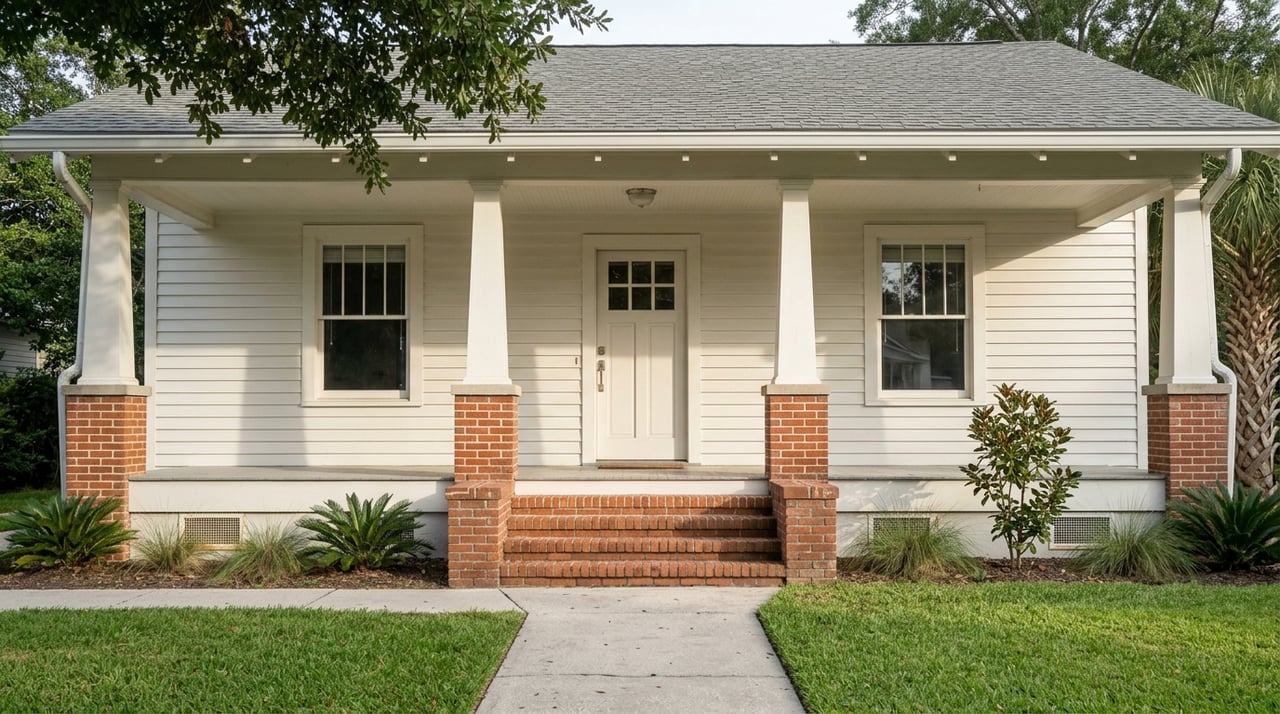
Thinking about buying a historic bungalow in Seminole Heights? You are not just buying square footage here. You are buying character, craftsmanship, and a home style that reflects some of Tampa’s early growth. That can be exciting, but it also means you need to understand how age, condition, insurance, and historic rules may affect your purchase. Let’s dive in.
Seminole Heights is well known for its early-20th-century housing stock, especially in Old Seminole Heights, where the City of Tampa describes a community of restored bungalows from the early 1900s. According to the city’s historic resources, much of the district developed from the late 1880s through the mid-1920s, with homes influenced by Florida Vernacular and Craftsman design.
That said, Seminole Heights is not all one thing. The broader area includes a mix of home styles and eras. The city notes that South Seminole Heights includes 1920s bungalows, 1950s and 1960s ranch homes, and newer construction, while Southeast Seminole Heights is primarily known for restored bungalows. You can explore the city’s neighborhood overview for Old Seminole Heights if you want a better sense of the area’s historic identity.
In Seminole Heights, buyers are often paying for more than just size. In February 2026, the median sale price in Seminole Heights was $580,000, compared with $489,500 for Tampa overall, according to the latest neighborhood market data. Homes in Seminole Heights also took about 71 days to sell, compared with 67 days citywide.
That does not mean every older bungalow commands a premium. Condition still matters, and so does how well the home has been maintained or renovated. In many cases, homes with strong presentation and preserved character are the ones that stand out most.
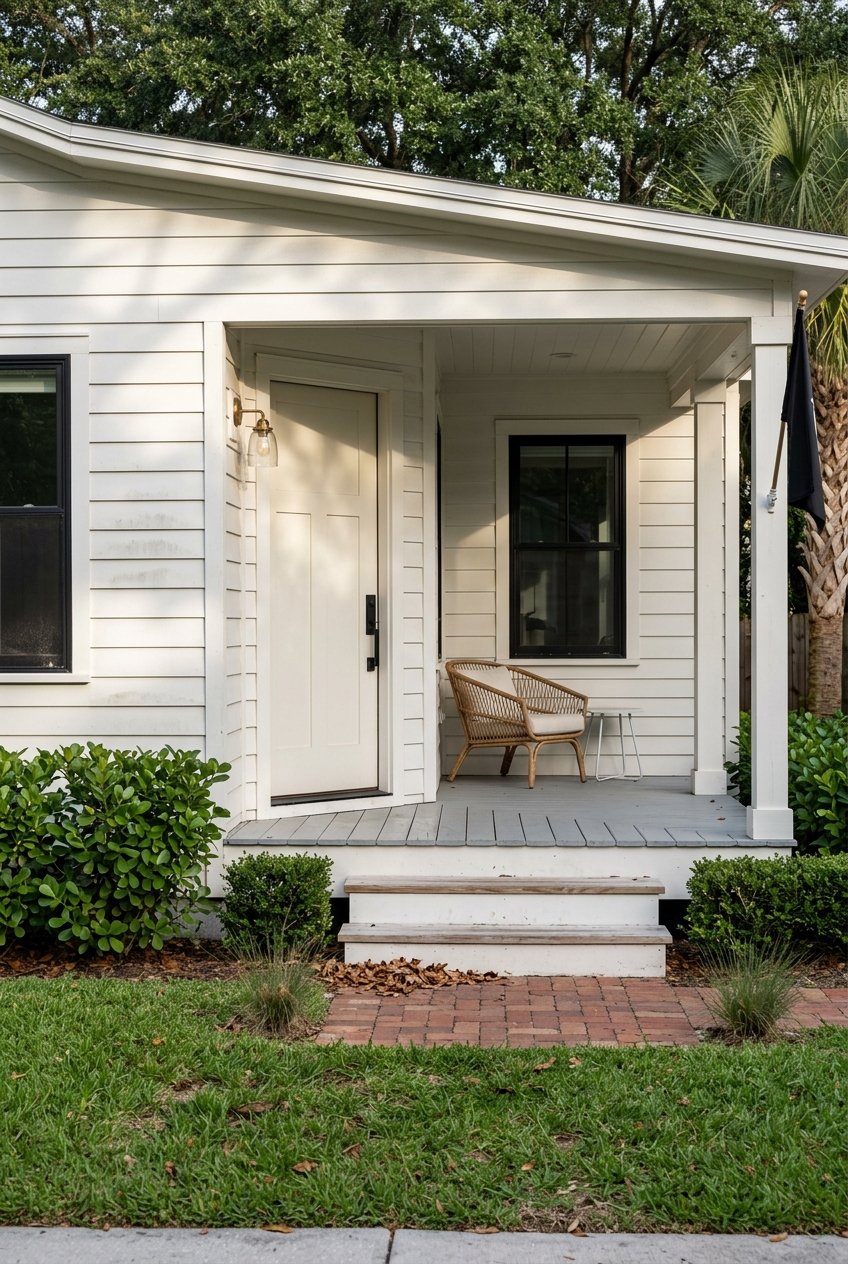
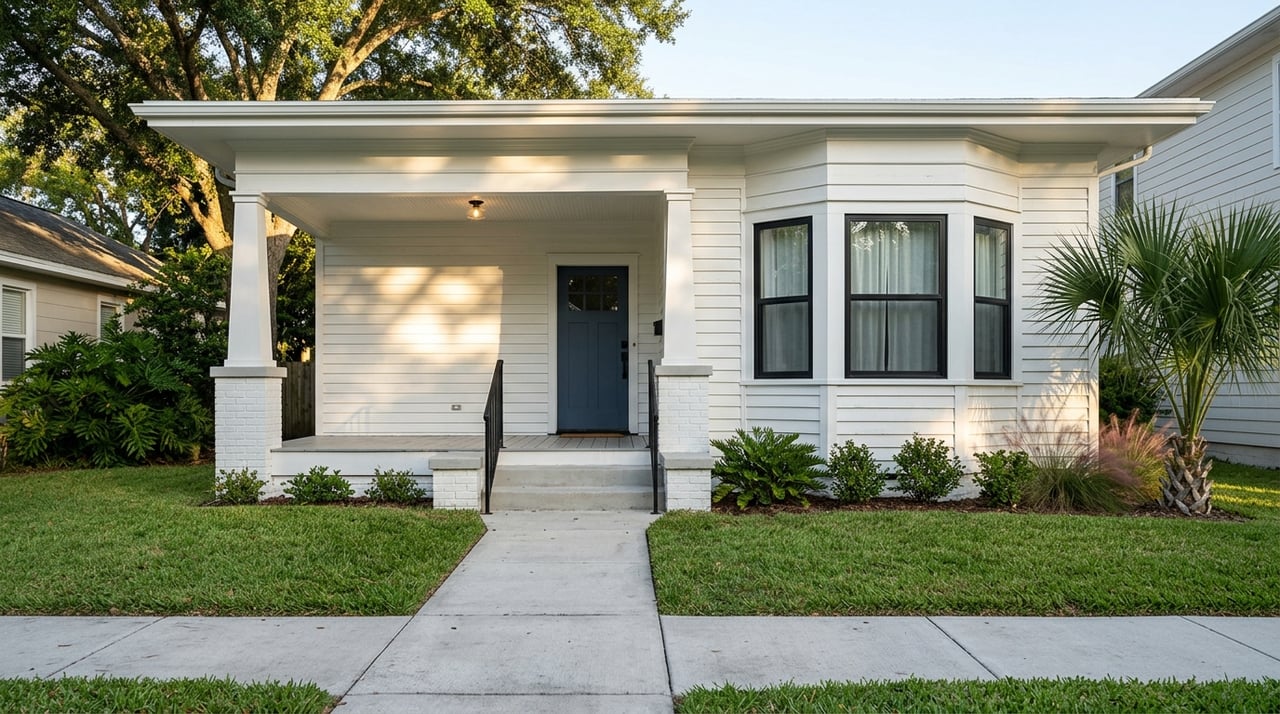
A historic bungalow in Seminole Heights often has details that make it easy to love at first sight. The city’s historic design materials describe common features such as low-pitched gable or hip roofs, overhanging eaves, front porches, brick piers or columns, multi-lite windows, and exposed beams.
You may also see a mix of materials, including brick, stucco, weatherboard, wood shingles, and stone. Some homes are simpler cracker-style bungalows, while others are more elaborate Craftsman homes with camel-back or airplane-style second stories, as outlined in the city’s historic district introduction materials.
When you tour a bungalow, it is easy to focus on the porch, original trim, or wood floors. But many of the biggest buyer issues come from later alterations, not the original construction.
The city’s Seminole Heights Design Guidelines highlight several exterior changes that can affect character and future project planning. These include altered window sizes or pane patterns, replacing double-hung windows with picture or jalousie windows, adding stucco where it was not originally used, enclosing porches, or replacing original porch supports with materials that do not fit the house.
As you evaluate a property, pay attention to signs that the home has been changed over time in ways that may lead to added cost or review issues later. A practical checklist includes:
These items are not always deal-breakers. Still, they can point to future repair costs, permit questions, or insurance hurdles that you should understand before you close.
If you are buying an older home in Seminole Heights, insurance is not something to leave until the last minute. Age alone can trigger extra requirements.
Citizens states that a four-point inspection is mandatory for new-business personal residential applications on homes more than 20 years old, and the report must be completed within the last year by a verifiable Florida-licensed inspector. The inspection focuses on four major systems: electrical, plumbing, HVAC, and roof. You can review the requirement directly on the Citizens four-point inspection guidance page.
In a neighborhood with older homes, roof age can quickly become a major underwriting issue. Citizens says roofs older than 25 years for soft coverings like shingles, or 50 years for hard coverings like tile, slate, clay, concrete, or metal, need documentation showing at least five years of remaining useful life. Citizens also notes that serious hazards, including exposed wiring or active leaks, should be repaired before a coverage application is submitted, as explained on its inspection standards page.
For you as a buyer, that means an older roof is not just a maintenance question. It may affect whether you can secure coverage smoothly and what repairs need to happen before or soon after closing.
Wind mitigation can also affect your ownership costs. Florida’s Office of Insurance Regulation explains that insurers must offer premium discounts tied to hurricane-loss mitigation features. Buyers can use a licensed inspector and the Uniform Mitigation Verification Inspection Form to document those features, according to the state’s wind mitigation discount overview.
That makes your roof system, opening protection, and other wind-resistance details financially important. In a historic home, those features deserve attention early in the process, not after you are already under pressure to close.
If the property is located inside the Seminole Heights Historic District, exterior work may involve more than standard permits. The city’s guidelines state that new construction requires a Certificate of Appropriateness, and review criteria include scale, massing, setbacks, materials, window patterns, entrances, porches, and roof forms.
Tampa’s historic preservation program also explains that Certificates of Appropriateness are required for new construction, additions, and exterior repairs. Some applications can be handled by staff, while others must go through a public hearing process. That can affect both project cost and timeline.
For older homes, even common projects may need permits. Tampa’s trade permit list shows that window replacement, exterior doors, garage doors, HVAC replacement, electrical panel or rewire work, water heater replacement, repiping, and roof covering replacement can all require permits.
The city’s permit materials also note that concealed electrical, plumbing, gas, and mechanical work must be completed and approved before covering. In addition, the building must be weather-tight, with the roof dried in and windows and doors installed before framing approval. These are important details if you are buying a home with ongoing work or planning immediate renovations.
The list price is only part of the story with a historic bungalow. In Seminole Heights, your real acquisition cost may also include:
This matters even more in a neighborhood where sale prices have recently outpaced the broader Tampa median. If you are stretching to buy for the charm, make sure you are also reserving funds for the realities of ownership.
Some historic properties may qualify for an ad valorem tax exemption through the City of Tampa and Hillsborough County. According to the city’s historic preservation programs page, eligibility depends on factors such as whether the property is a qualifying landmark or contributing property, whether the rehabilitation project is at least $10,000, and whether the owner secures Certificate of Appropriateness approval before starting demolition, construction, or alterations.
The city also states that rehabilitation work may begin only after the COA is issued and all required permits are in place. The standard completion window is one calendar year, with a possible six-month extension. If a home you are considering may qualify, it is worth understanding those rules before planning a renovation budget.
A historic bungalow can be a great fit if you love original design, front-porch living, and a home with a story. The key is to balance emotion with a clear plan.
Before you buy, make sure you understand three things: what is original, what has been altered, and what may need to be repaired or approved. In Seminole Heights, those details can shape your insurance options, renovation timeline, and long-term cost of ownership.
If you want local guidance on evaluating a Seminole Heights bungalow, comparing blocks and home styles, or planning for inspections and repairs before you make an offer, connect with Skyler Warden. You will get straightforward advice, strong local context, and a clear strategy for buying with confidence.
Stay up to date on the latest real estate trends.
June 18, 2026
June 11, 2026
June 4, 2026
May 28, 2026
May 21, 2026
May 14, 2026
May 7, 2026
April 23, 2026
April 16, 2026
Lorem Ipsum dolor sit amet, consectetur adipiscing elit, sed do eiusmod tempor incididunt ut labore et dolore magna aliqua. Ut enim ad minim veniam, quis nostrud exercitation ullamco laboris nisi ut aliquip ex ea commodo consequat. Duis aute irure dolor in reprehenderit in voluptate velit esse cillum dolore eu fugiat nulla pariatur. Excepteur sint occaecat cupidatat non proident, sunt in culpa qui officia deserunt mollit anim id est laborum.