Seminole Heights Bungalow Upgrades for Comfort and Value
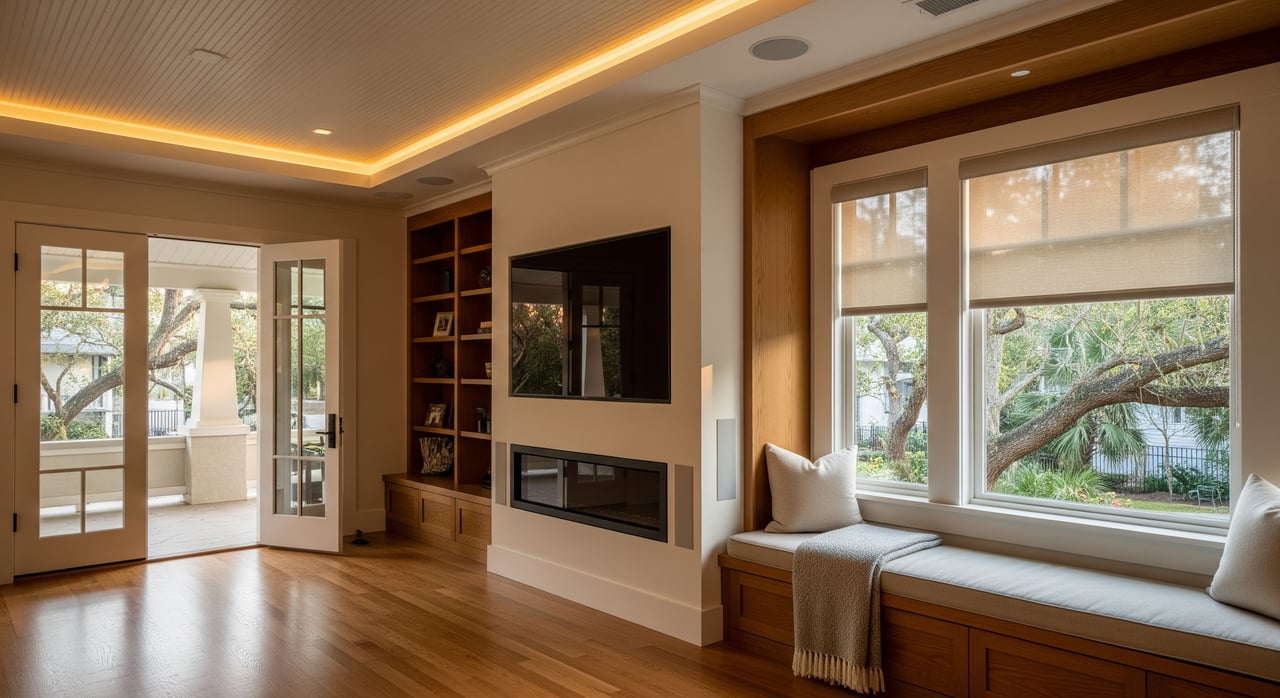
Love your Seminole Heights bungalow but want more comfort and efficiency without losing the 1920s charm that makes it special? You’re not alone. Many Tampa owners face the same balance: modern function, period character, and smart resale value. In this guide, you’ll learn practical upgrades that fit the bungalow style, what to know about permits and historic review in Hillsborough County, and simple before-and-after ideas you can actually do. Let’s dive in.
Seminole Heights homes often date from the 1910s to 1930s, with hallmark Craftsman and modest Revival details. You’ll see full-width front porches, tapered columns or piers, low-pitched gable roofs with exposed rafter tails, and original wood siding. Inside, many homes feature double-hung wood windows, built-in cabinetry, and narrow plank hardwood floors.
Preserving these elements tends to boost appeal and resale in historic neighborhoods. When in doubt, keep original materials and profiles, and repair instead of replace. You can layer in modern comfort with low-visibility improvements that respect the house’s scale.
Parts of Seminole Heights fall within local and National Register historic districts. Local designation in Tampa can trigger review for visible exterior changes. Interior updates that don’t alter the exterior usually do not require historic review.
Before planning exterior work like windows, siding, roof profiles, or porch details, confirm if your property sits in a local historic district. Contact the City of Tampa Historic Preservation Office early to understand what requires a Certificate of Appropriateness and how the process works. Building permits and historic review add time, so build that into your schedule.
You can modernize your kitchen without a full gut or mismatched finishes.
Refinish existing wood cabinets or reface with simple shaker doors. Preserve original pantry and built-in cupboards where possible. Add period-appropriate hardware that complements the home’s scale.
Select butcher block, honed granite, or modest-profile quartz. Keep edges simple rather than oversized waterfall designs. Pair with classic subway tile, small-format mosaics, or beadboard backsplashes.
Layer light sources for both task and mood. Add a period-style pendant over an island and under-cabinet LED strips for function. Choose ENERGY STAR appliances with finishes that blend easily, such as white, stainless, or panel-ready.
If possible, fit new appliances into existing openings to avoid major plumbing or electrical moves. Retain original window trim and the classic window-over-sink look when present. These touches preserve the bungalow feel buyers love.
Original floors and trim are character gold in a Craftsman-era house.
Refinish hardwoods like fir, yellow pine, or oak to restore warmth and patina. Patch damaged areas with reclaimed or closely matched boards. Use a contractor experienced with historic floors.
Strip later paint layers from original trim when appropriate and replicate profiles for missing pieces. Avoid aggressive sanding that thins historic materials. Test for lead-based paint and follow safe handling practices.
You can improve comfort and efficiency while keeping original profiles.
Reglaze and repair double-hung wood windows, replace sash cords, and add weatherstripping. This preserves the look while reducing air leaks.
Low-profile interior or exterior storms can boost performance without altering the historic sash. They are a good middle ground when full replacement isn’t necessary.
If replacement is unavoidable, choose windows with historically appropriate proportions and muntin patterns. In local historic districts, repair-first proposals are often favored. Save photos and documentation to show condition.
Retain original doors and hardware when possible, adding weatherstripping and a proper threshold. This protects curb appeal while improving comfort.
Florida’s climate puts a premium on cooling and humidity control. Focus on comfort upgrades that are low-visibility but high impact.
Consider a high-efficiency heat pump to replace older A/C equipment. For additions or rooms without ducts, zoned mini-splits can be discreet and effective. Place outdoor condensers at the side or rear and screen with compatible plantings.
Seal and insulate leaky ductwork. Increase attic insulation to Florida-appropriate levels and ensure proper ventilation. Air seal around penetrations and at the ceiling plane to cut cooling loads and manage moisture.
A smart thermostat is a simple add-on that can reduce runtime and stabilize indoor temperatures. Many models learn your schedule and help manage humidity.
Federal and utility incentives may apply to heat pumps, insulation, and other efficiency measures. Check current programs through trusted resources and local utilities, then confirm eligibility before you buy.
These exterior choices shape first impressions and protect the envelope.
Keep original rooflines intact. Replace roofing with in-kind or visually compatible materials. Good flashing, drip edges, and ventilation matter in Tampa’s humidity.
Repair original wood siding and porch elements whenever possible. Replace only deteriorated sections with matching profiles. Ensure porch floors have proper slope and drainage.
Choose historically sympathetic color palettes such as earthy Craftsman tones or muted neutrals. A fresh coat with crisp trim highlights details like brackets, knee braces, and rafter tails.
Select modest plantings that complement a bungalow’s proportions. Consider native or low-maintenance species suited to Tampa’s climate. Permeable pavers and rain gardens can help manage stormwater during heavy rains.
Use these small-scope transformations to guide your plan.
Kitchen refresh:
Porch revival:
Floors and trim:
HVAC and insulation:
Windows tune-up:
Not every upgrade needs to happen at once. Focus on the wins that fit your budget and timeline.
High impact on a modest budget:
Medium to high cost with strong ROI:
Handle with extra care:
A clear plan saves time and avoids surprises.
Expect permits for roof replacement, window changes that alter openings, HVAC installs, electrical upgrades, plumbing relocations, structural work, and substantial exterior alterations. Cosmetic interior work like painting or cabinet refacing often does not require a permit. Confirm current requirements with the City before you start.
If you are in a local historic district, plan for a Certificate of Appropriateness. A common process looks like this:
Historic review can add weeks to your timeline. Sequence design, review, and permits early.
Use licensed contractors for trades like HVAC, electrical, plumbing, roofing, and structural work. Look for teams experienced with older homes and historic details. Ask for references and before-and-after photos of bungalow projects.
Verify licenses through the appropriate state resources and review local feedback. A contractor familiar with historic review can help prepare documentation and keep your project moving.
Use this list to stay on track before you demo a single wall.
With a thoughtful approach, you can add comfort and efficiency while protecting the Seminole Heights character buyers love. If you are preparing to sell, these targeted updates help your home show better and appraise with confidence. If you are buying, they provide a roadmap for a light renovation that respects the house and your budget.
If you want tailored advice on which upgrades pay off in Seminole Heights and which to skip, reach out to Skyler Warden. As a third-generation Tampa agent with a track record of results, Skyler can help you plan, price, and position your next move.
Stay up to date on the latest real estate trends.
September 17, 2026

September 10, 2026

September 3, 2026

August 27, 2026
August 20, 2026
August 13, 2026
August 6, 2026
August 6, 2026
July 23, 2026
Lorem Ipsum dolor sit amet, consectetur adipiscing elit, sed do eiusmod tempor incididunt ut labore et dolore magna aliqua. Ut enim ad minim veniam, quis nostrud exercitation ullamco laboris nisi ut aliquip ex ea commodo consequat. Duis aute irure dolor in reprehenderit in voluptate velit esse cillum dolore eu fugiat nulla pariatur. Excepteur sint occaecat cupidatat non proident, sunt in culpa qui officia deserunt mollit anim id est laborum.