Your Guide to Buying a Waterfront Condo in Clearwater
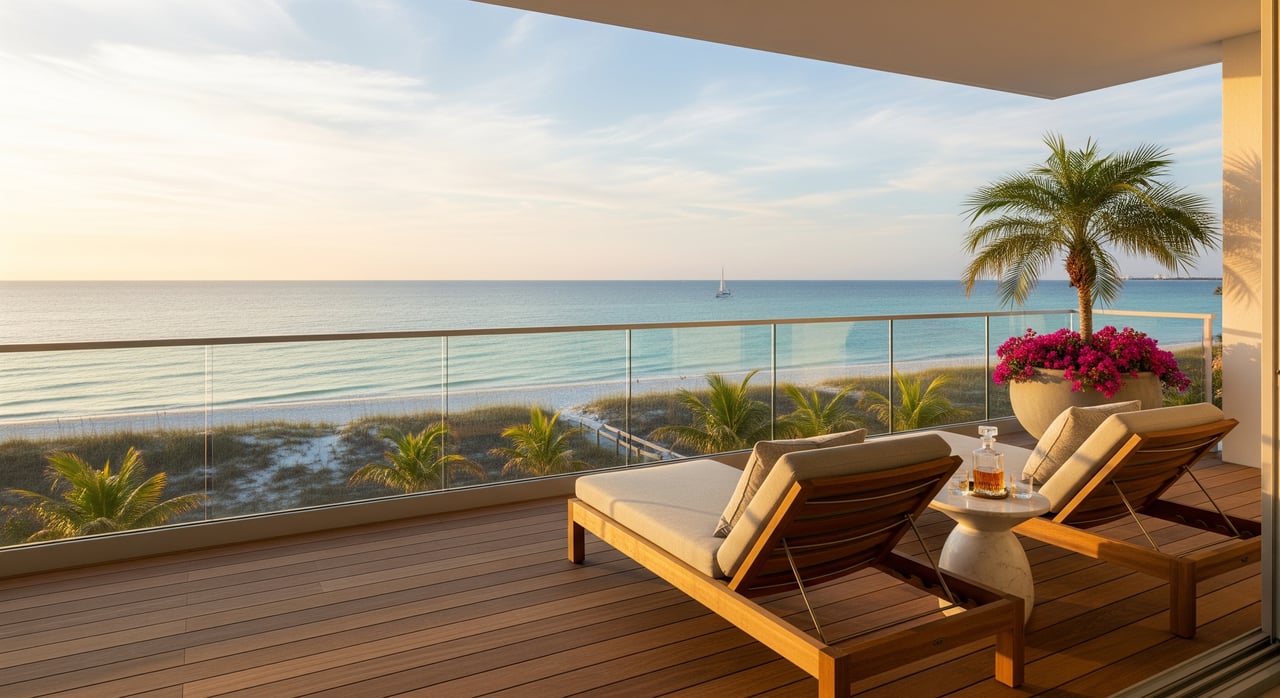
Imagine waking up to Clearwater Harbor glimmering outside your window. Waterfront condo living is a true Tampa Bay dream, but buying on the coast comes with unique details you do not want to miss. You need clarity on insurance, flood zones, reserves, docks, rental rules, and financing before you fall in love with a view.
This guide walks you through the must-know steps, documents to request, and the red flags to avoid so you can buy confidently. You will find Clearwater-specific tips on permits and waterways too. Let’s dive in.
Clearwater sits in a coastal zone exposed to hurricane wind, storm surge, and tidal flooding. That reality shapes everything from insurance pricing to building maintenance. Many waterfront buildings lie within FEMA Special Flood Hazard Areas, so flood data and elevation matter for both safety and lending.
You can look up a property’s flood zone using the FEMA Flood Map Service Center. For broader context on resilience and coastal planning, review Pinellas County’s official site and the City of Clearwater.
Many waterfront condos fall in AE or VE zones. Ask for the building’s Flood Insurance Rate Map designation and any Elevation Certificate. Lenders and flood insurers rely on these details, and they can affect premiums and requirements. You can also review NFIP basics at FEMA’s flood insurance page.
Waterfront communities range from smaller low-rise buildings on the Intracoastal to high-rise towers on Clearwater Harbor. Construction type and age affect costs and maintenance. Seawalls, docks, and bulkheads add another layer of responsibility that can impact dues and special assessments.
Monthly or quarterly dues often cover common-area upkeep, exterior maintenance, management, master insurance, and reserve contributions. In communities with docks or seawalls, your dues may also support upkeep and insurance for those structures. Always confirm what is included in the budget.
Healthy reserves matter. Reserves fund major items like roofs, elevators, seawalls, and docks. Underfunded reserves or a lack of a recent reserve study are red flags. Associations can levy special assessments for large repairs or storm damage, which can be significant on the water.
Review the association’s practices under the Florida Condominium Act (Chapter 718). The act governs assessments, reserves, and operations.
Condo associations carry a master property policy for the building and common elements. Coverage can vary, so read the master declarations to see what is included and what is excluded. You will likely need your own HO-6 policy for interior finishes, personal property, liability, and Loss Assessment coverage.
Florida coastal properties also face wind and hurricane deductibles. These are often percentage-based and can be large in a major storm. Confirm the deductible type, the percentage, and how the association allocates deductibles among owners.
Flood is separate. Standard condo and HO-6 policies do not cover flood. If the building sits in a Special Flood Hazard Area, flood insurance may be required by your lender and is available through NFIP or private insurers. Learn more on FEMA’s flood insurance page.
For context on Florida’s insurance environment, review the Florida Office of Insurance Regulation. Some associations obtain coverage through the state’s insurer of last resort; availability and pricing can shift quickly.
If you plan to keep a boat, clarify the slip situation on day one. Some condos convey deeded slips, while others assign or lease slips on a waitlist. Guest slips and transient mooring rules vary by community.
Maintenance responsibility and permitting matter. Confirm whether the association maintains docks, lifts, and seawalls as common elements, or if owners carry responsibility. Ask about inspection history and reserve allocations for marine structures. Dock, lift, and shoreline work often requires permits through the city, county, and state. You can review local permitting at the City of Clearwater and state guidance via the Florida DEP’s coastal resources.
Channel depth, bridge clearances, and navigation rules can limit access. Confirm usable depth, any vessel-size limits, and whether dredging is planned or restricted. Get slip rules, fees, and any horsepower or size restrictions in writing.
Most associations set minimum lease terms or caps on the percentage of units that can be rented at once. Short-term rentals are often limited or prohibited in condo documents and by local rules. Always read the governing documents and confirm current city or county requirements with the City of Clearwater.
If you plan to finance, your lender will evaluate the building as well as your credit and income. Agency and government-backed loans have project standards related to reserves, owner-occupancy, litigation, and commercial space. Review project eligibility guidance from Fannie Mae and FHA resources at HUD.
Use this step-by-step list to move from interest to a confident offer.
Buying on the water is part lifestyle, part due diligence. You want someone who can read the fine print, spot risk, and keep your transaction moving. From document review and insurance coordination to marine inspections and lender checks, a detail-first approach protects your budget and your peace of mind.
If you are ready to explore Clearwater waterfront condos, connect with a third-generation Tampa Bay agent who pairs local knowledge with the reach of a respected brokerage. Let’s make a smart, confident move together. Get started with Skyler Warden.
Stay up to date on the latest real estate trends.
May 7, 2026
April 23, 2026
April 16, 2026
April 2, 2026
March 24, 2026

March 5, 2026
February 19, 2026
February 5, 2026
January 15, 2026
Lorem Ipsum dolor sit amet, consectetur adipiscing elit, sed do eiusmod tempor incididunt ut labore et dolore magna aliqua. Ut enim ad minim veniam, quis nostrud exercitation ullamco laboris nisi ut aliquip ex ea commodo consequat. Duis aute irure dolor in reprehenderit in voluptate velit esse cillum dolore eu fugiat nulla pariatur. Excepteur sint occaecat cupidatat non proident, sunt in culpa qui officia deserunt mollit anim id est laborum.